


SA wears the citrus crown — can our logistics carry it?
South African farmers, citrus growers, exporters, agribusinesses and readers interested in agricultural trade, logistics, infrastructure and export growth.
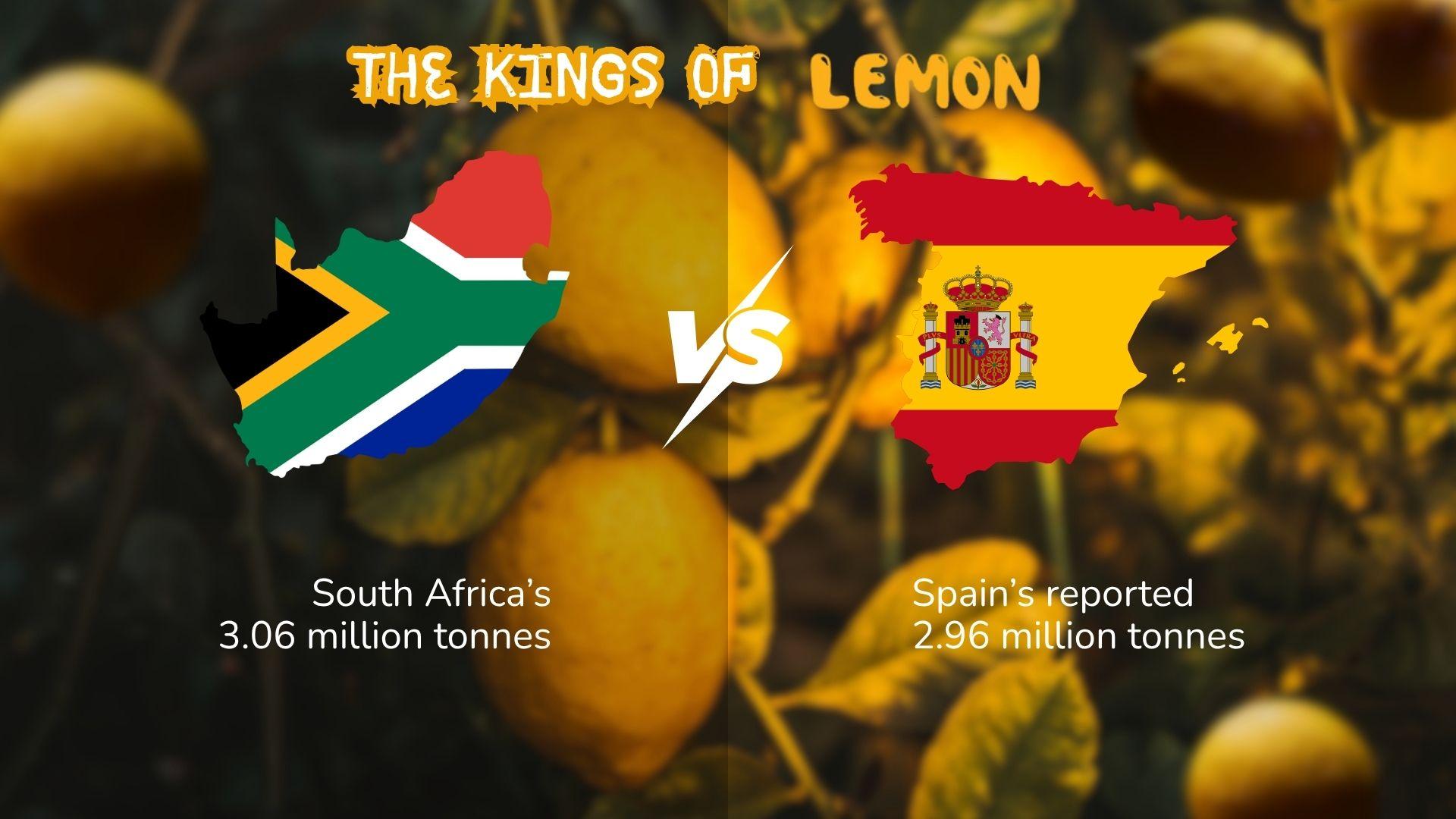
South Africa takes the world citrus crown – but can our logistics keep up?
Here is a fact worth sharing around the braai: South Africa became the world’s largest citrus exporter by volume during the 2025 export season!
After years of trailing Spain, South Africa exported a record 203.9 million 15 kg cartons—about 3.06 million tonnes—to take the lead. Citrus also remains the country’s largest agricultural export sector by value and provides about 140,000 jobs at farm level, according to the Citrus Growers’ Association’s final industry figures.
For a country that often hears more about what is going wrong than what is going right, this is a proper feel-good agricultural story. Fruit grown from Limpopo to the Eastern and Western Cape is reaching consumers across Europe, the Middle East, Asia, Russia, the United Kingdom and North America.
It also proves what South African farmers can accomplish when production knowledge, research, labour, packing capacity, and access to international markets work together.
What does the world citrus crown mean?
The achievement needs to be described accurately. South Africa became the world’s largest citrus exporter by volume for the 2025 season. It is not the world’s largest citrus producer. Countries such as China and Brazil produce more citrus overall, but they consume much of it locally or process it. By comparison, South Africa has a strongly export-oriented industry.
The ranking is also not permanent. Spain remains a citrus powerhouse and could regain the lead. Its Ministry of Agriculture recorded exports of about 2.96 million tonnes between September 2024 and June 2025, which shows how close the contest was. Differences between countries’ reporting periods and marketing seasons must also be considered. Nevertheless, South Africa’s final figures placed it marginally ahead, and the South African government officially confirmed the new ranking in May 2026.
A crown earned in the orchard
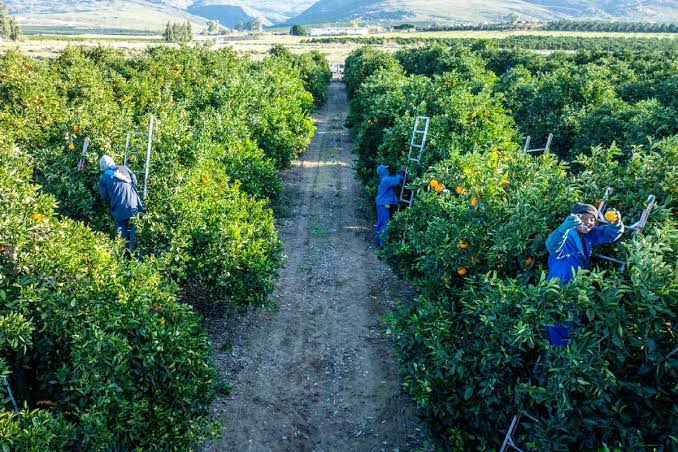
This success did not begin at a harbour or in a government office. It began in orchards.
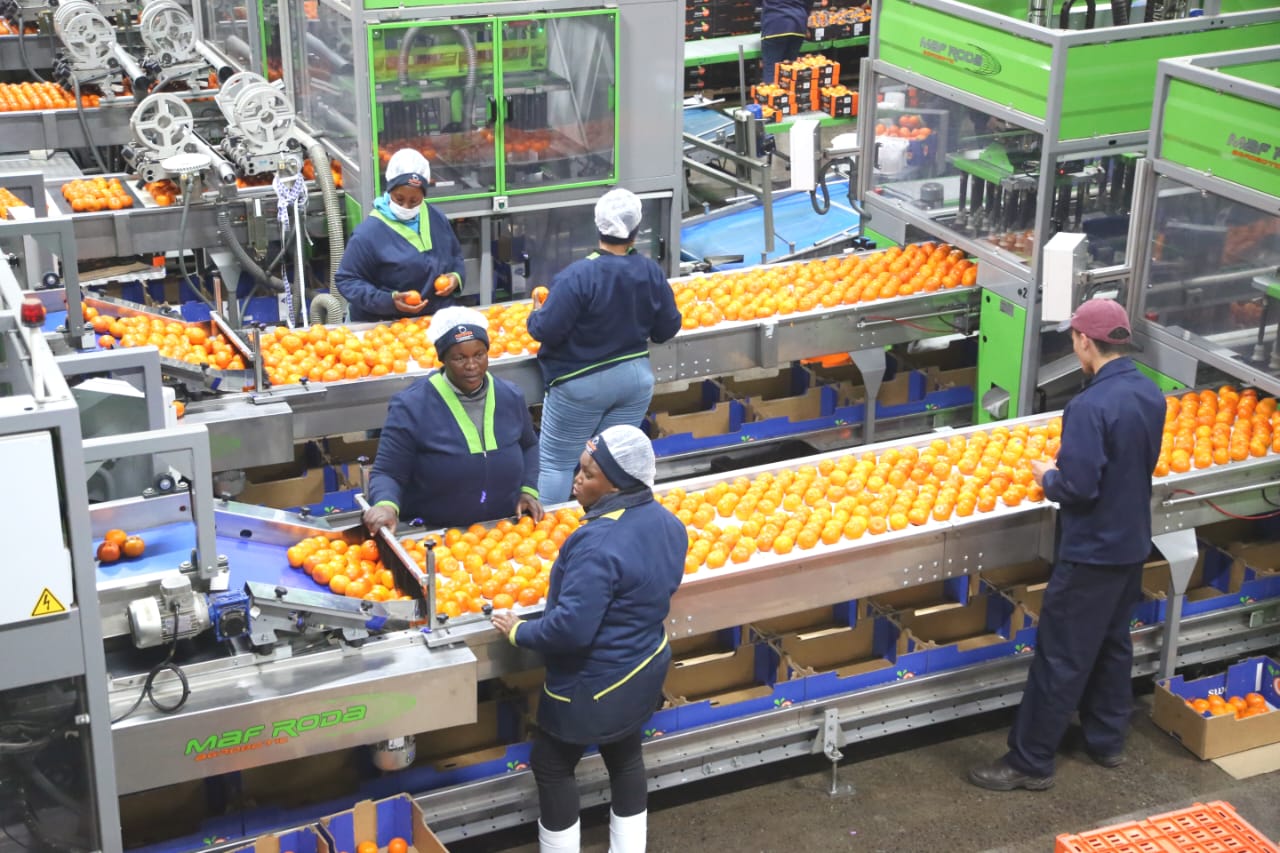
It belongs to growers making difficult decisions about cultivars, irrigation, nutrition, pest control, netting, labour and harvest timing. It belongs to workers who picked and packed the fruit, researchers who developed practical plant-health solutions and exporters who secured buyers in highly regulated markets.
In packhouses, the fruit had to be inspected, graded, cooled and packed according to strict international requirements. Transporters and exporters then had to move it through a complicated cold chain without sacrificing quality or shelf life.
South African citrus does not compete on sunshine alone. It competes through quality, research, traceability and compliance with demanding phytosanitary standards. Oranges alone are exported to more than 100 countries, with the European Union remaining the largest market, according to the USDA Citrus Annual.
The benefits also extend beyond the farm gate. Citrus income moves through packhouses, transport companies, equipment dealerships, workshops, local shops and rural communities. One successful orchard can support far more livelihoods than those directly employed on the farm.
The ports finally provided some help
For years, South African exporters have competed internationally while dealing with congestion, equipment breakdowns and unpredictable turnaround times at home.
There are now encouraging signs. During the 2025/26 financial year, vessel traffic at South African ports increased by 9%, total cargo throughput rose by 4.2%, and container volumes grew by 7.1%. Transnet reported that the increase in container volumes was boosted largely by a 22% rise in citrus volumes.
Improved port performance also helped drive the sharp increase in orange exports during the 2024/25 marketing year. This matters because approximately 81% of South Africa’s orange exports move through Durban. When that port slows down, the citrus industry feels it almost immediately.
A delayed citrus carton is not simply a late delivery. It is a perishable product losing shelf life, quality and market value while costs continue to accumulate.
A 20-year agreement to redevelop Durban’s specialised fresh-produce terminal is therefore another positive step. The terminal is expected to handle approximately 1.69 million tonnes annually by 2028, increasing to about 1.91 million tonnes by 2034. Transnet expects the project to improve export reliability and strengthen the competitiveness of South African produce.
Imagine what functioning rail and ports could unlock
Citrus offers a glimpse of what could happen across agriculture.
Reliable freight rail and efficient ports could reduce transport costs, relieve pressure on roads and give producers greater confidence to invest and expand. Table grapes, apples, pears, stone fruit, nuts, wine, grain, wool, timber and processed foods could all benefit from a logistics system that moves goods predictably.
Not every agricultural product belongs on a train, and better infrastructure alone cannot solve animal disease, unreliable electricity, water constraints or poor market access. However, almost every export-oriented agricultural industry would have more room to flourish if port delays were reduced and suitable freight returned to railways.
This is where the story becomes political. Government can rightly celebrate the citrus crown, but it must acknowledge that farmers achieved it despite years of failing infrastructure. Strategies and announcements matter only when they produce working cranes, available containers, reliable railway lines, and ships leaving on time.
There is reason for cautious optimism. Freight corridors have been opened to private operators, while government and business are expanding their cooperation on rail and port reforms. The Presidency reported in August 2026 that operational performance at key ports had improved and private train operations were being expanded.
South African growers have already shown that they can compete with the best in the world. They have brought home the citrus crown. Give agriculture a reliable route to markets, and citrus may only be the first of many South African industries to lead the world.
Comments
No comments yet. Be the first!