


Protecting your farm: How farmers are fighting back against theft in South Africa
7 min read|
Farm theft has become one of the realities that many South African farmers have to manage every day. It is not only livestock that is at risk. Across the…

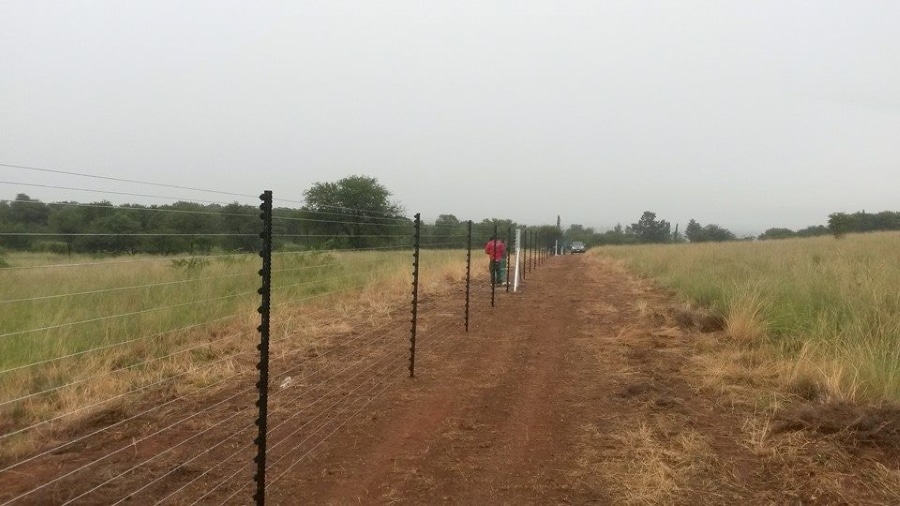
Farm theft has become one of the realities that many South African farmers have to manage every day. It is not only livestock that is at risk. Across the country, farmers are dealing with the theft of cattle, sheep, goats, poultry, maize, vegetables, fruit, diesel, tools, fencing and other valuable farm assets.
For a farmer, theft is never just about the immediate loss. It can affect cash flow, production planning, labour, biosecurity, insurance, transport and even the morale of the people working on the farm. When animals disappear, crops are stripped before harvest, or equipment is stolen during a busy season, the whole farming operation feels the pressure.
But this is not only a story about crime. It is also a story about farmers, communities and companies finding practical ways to protect farms, reduce risk and keep agriculture moving forward.
Theft is hitting farms in different ways
Livestock theft remains one of the biggest concerns in rural South Africa. Cattle, sheep, goats and poultry are valuable assets, and for many farmers they represent years of breeding, planning and investment. Losing animals can mean losing future production, income and genetic progress.
Stock theft is especially difficult because farms are often large, animals move across wide areas, and criminals can act quickly. In many cases, theft happens from kraals, camps, grazing lands or areas where animals are not under constant supervision. Smaller farmers are often hit especially hard, because the loss of even a few animals can have a major impact on their business.
Crop theft is another growing frustration. Maize, vegetables, potatoes, fruit, sugar beans and groundnuts can all become targets, especially close to harvest. In some areas, theft may be driven by hunger and poverty. In others, farmers are seeing more organised theft, where produce is removed in larger quantities and sold elsewhere.
Vegetable producers are particularly vulnerable because many crops are harvested by hand and can be removed quickly. Maize theft can also be difficult to control, especially when fields are close to roads or settlements. Fruit theft creates another challenge, because once produce enters informal markets, it becomes difficult to trace.
The real cost goes beyond what is stolen
When theft happens on a farm, the cost is not limited to the value of the stolen product. A farmer may have to replace animals, replant crops, repair fences, improve lighting, appoint guards, install cameras or increase insurance cover.
There is also the time factor. Farmers and managers spend more hours checking boundaries, following up on cases, repairing damage and putting extra security measures in place. During busy seasons, such as planting or harvesting, that lost time can have a direct impact on productivity.
The emotional toll is also real. Farming is already a high-pressure industry. Weather, market prices, input costs, labour challenges and animal health all require constant attention. Theft adds another layer of stress to an already demanding environment.
Still, South African farmers are known for their resilience. Across the country, many are responding not only with frustration, but with better planning, stronger networks and the use of modern technology.
Companies are helping farmers protect their operations
One of the most positive developments is that more companies are offering farm-specific security solutions. Rural security is different from urban security. A farm may have long boundary fences, multiple gates, remote sheds, grazing camps, orchards, packhouses, fuel tanks and staff housing spread across a wide area.
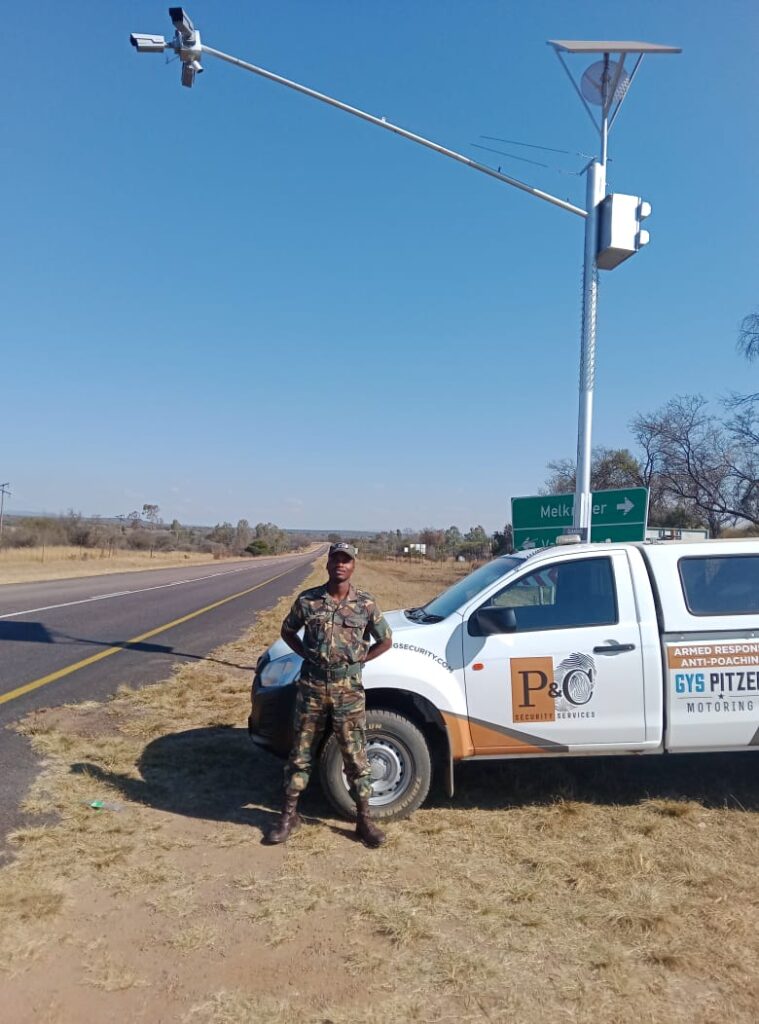
That is why many farmers are now working with companies that understand agriculture. These businesses offer services such as camera systems, alarm monitoring, access control, electric fencing, patrols, solar-powered security systems, remote surveillance and emergency response.
On livestock farms, GPS tracking and smart identification systems are becoming more popular. Some systems allow farmers to monitor animal movement and receive alerts when animals move outside a certain area. This can help identify problems earlier, whether it is theft, broken fencing or animals straying into the wrong camp.
For crop farmers, cameras at gates, loading zones, packhouses and storage areas can make a big difference. Solar-powered cameras are especially useful in remote areas where electricity is not always available. Motion sensors and remote alerts can also help farmers respond faster when movement is detected after hours.
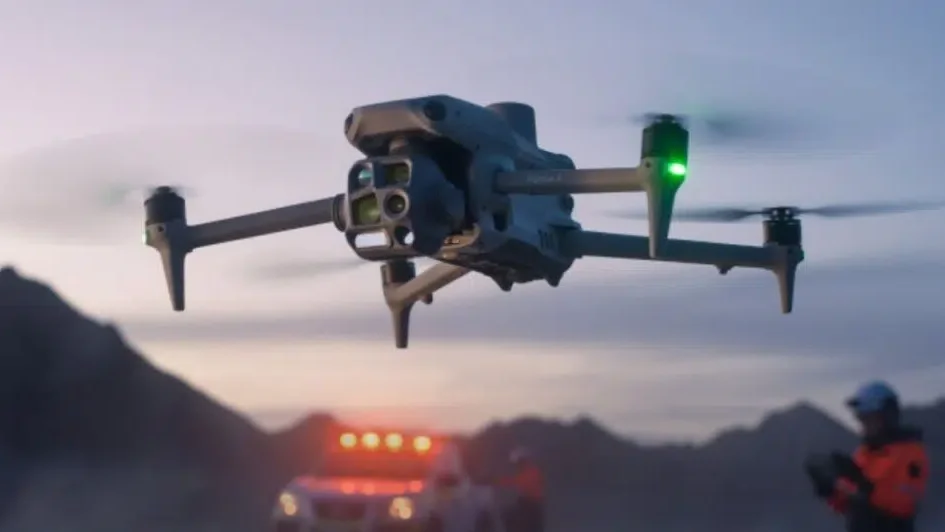
Drones are another useful tool on larger farms. They can help farmers inspect boundaries, check remote fields, look for suspicious activity and monitor livestock. A drone cannot replace people on the ground, but it can give farmers a better view of what is happening across the farm.
Better systems make farms harder targets
Security does not always have to start with expensive technology. Many improvements begin with better systems.
Simple steps such as locking gates, controlling access points, keeping visitor records, improving lighting, marking equipment, branding livestock correctly and keeping updated stock registers can all reduce risk.
For crop producers, it helps to strengthen controls during harvest time. This may include monitoring who enters and leaves the farm, checking vehicles, securing storage areas and keeping accurate records of what is harvested, packed and transported.
Farmers can also work with buyers and markets to improve traceability. Branded packaging, delivery notes and proper documentation make it harder for stolen produce to move through formal channels.
The same principle applies to livestock. Correct branding, identification tags, movement permits and updated records are all important. They do not only support good farm management; they also help when stolen animals need to be traced and recovered.
Community cooperation remains one of the strongest tools
Technology helps, but people remain central to farm safety. In many rural areas, farmers, workers, neighbours and communities are the first to notice when something is wrong.
Good communication between farms can make a major difference. WhatsApp groups, radio networks, community policing forums and local security partnerships allow information to move quickly. If suspicious vehicles, tracks, broken fences or missing animals are reported early, the chances of response and recovery improve.
Farm workers also play an important role. They know the daily rhythm of the farm and can often identify unusual activity quickly. When workers are included in safety planning and understand reporting procedures, they become part of the solution.
It is also important that farmers continue reporting incidents. Even when recovery is difficult, reported cases help build a clearer picture of theft patterns in an area. This information can support police, security companies, organised agriculture and local safety structures.
A practical way forward
Farm theft is a serious challenge, but it is not one that farmers have to face alone. The best results come from a combination of prevention, technology, record-keeping, community cooperation and professional support.
Farmers are already investing in smarter systems. Security companies are adapting their services to rural conditions. Technology providers are bringing practical tools to the farm gate. Communities are sharing information faster. Organised agriculture and law enforcement continue to play an important role in creating safer rural areas.
The goal is not only to stop theft after it happens. The goal is to make farms harder targets from the start.
Hope still exists
South African agriculture has always faced challenges, but it has also always found ways to adapt. Theft on farms is a real concern, whether it involves livestock, maize, vegetables, fruit or equipment. But the response from the sector is becoming stronger, smarter and more connected.
With the right support, farmers can protect their animals, crops, workers and businesses more effectively. Every camera installed, every animal identified, every gate controlled and every community network strengthened is a step toward safer farms.
Farm theft may be part of the current reality, but it does not define the future of farming in South Africa. Farmers are not standing still. They are working with companies, communities and technology to protect what they produce — and to keep feeding the country with confidence.


Comments
No comments yet. Be the first!